Two real-world studies demonstrate the clinical consistency of VYZULTA across multiple patient settings.
START LOW I STAY LOW
when choosing a first-line treatment1,2
LEEP: Real-world early experience program
Real-world outcomes from this observational study support the use of VYZULTA across a diverse population of patients with OAG or ocular hypertension OHT.2
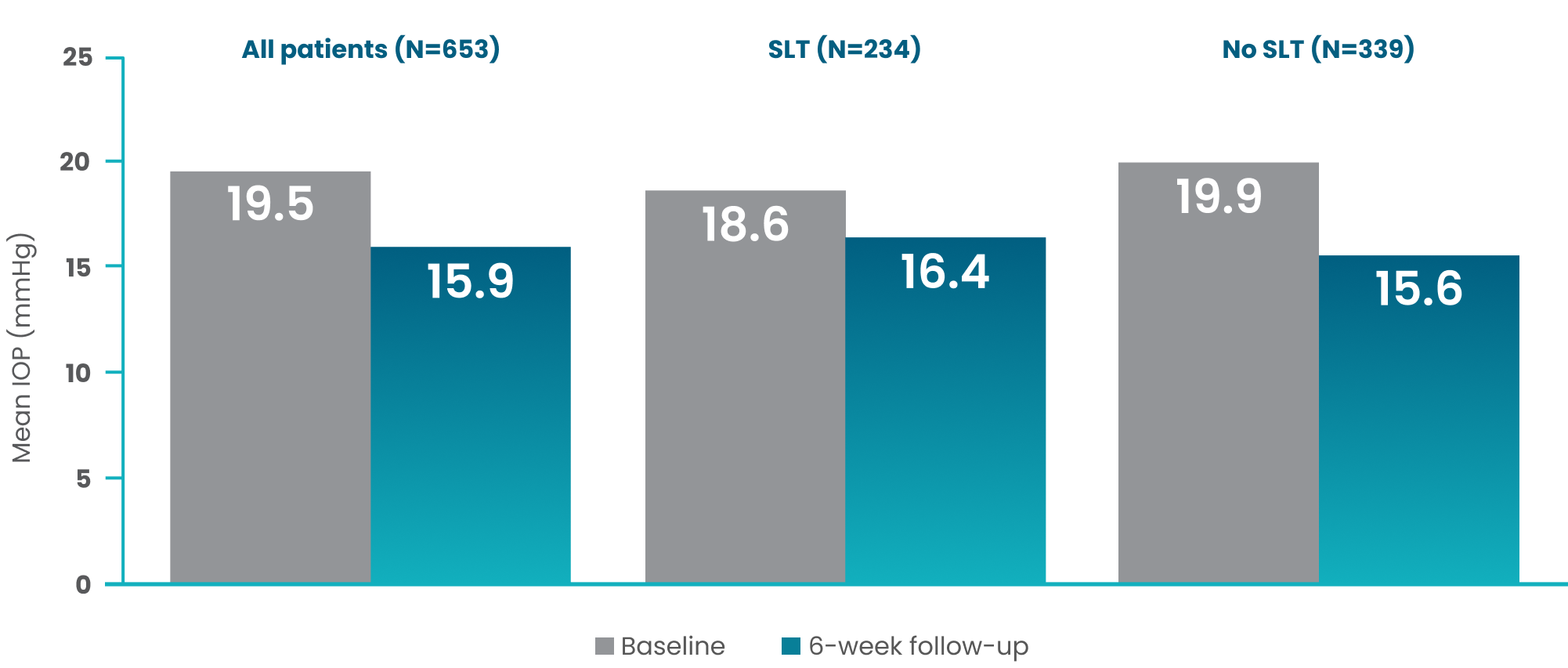
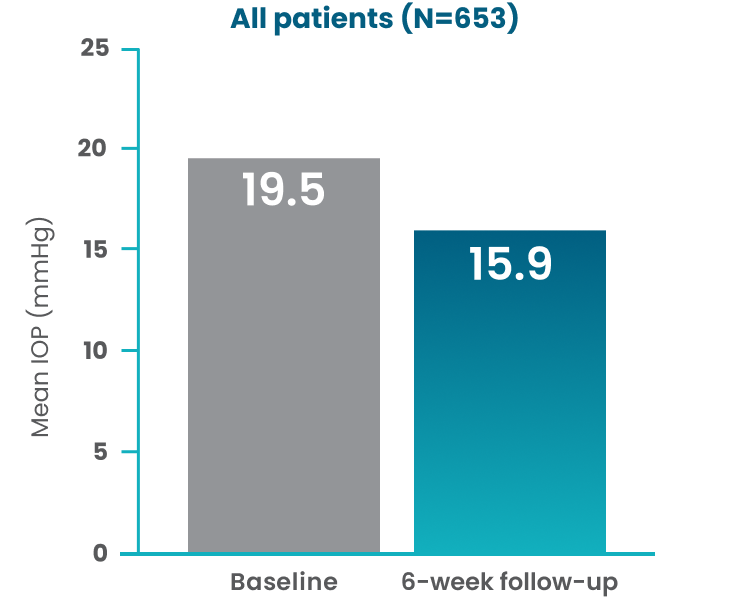
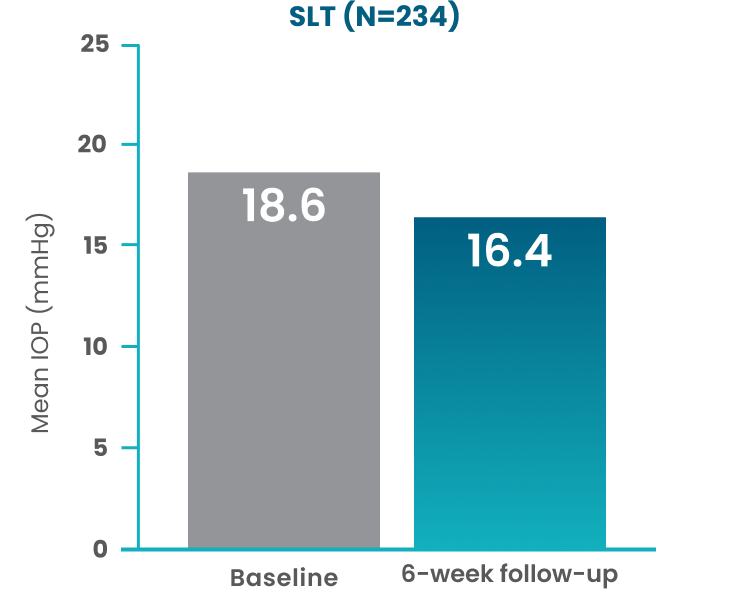
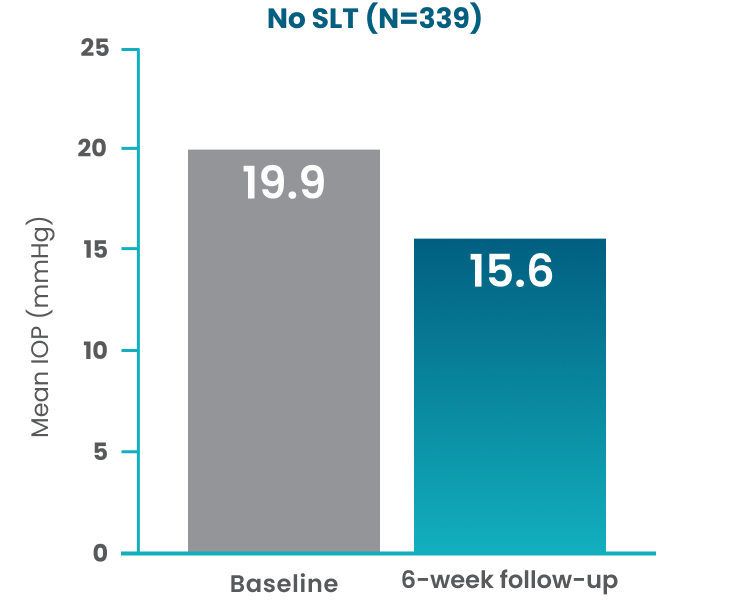
Key real-world findings2*
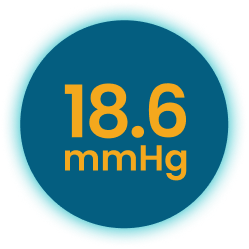
Patients with prior SLT started with a low baseline IOP

reduction in IOP for medication-naïve patients with prior SLT
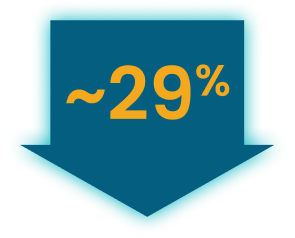
reduction in IOP for medication-naïve patients without prior SLT
*In clinical trials, patients with a history of SLT or incisional surgery in either eye >90 days prior to study entry could be enrolled.
GET LOW I STAY LOW
when switching your patients from another therapy1-3
IRIS® Registry: Real-world switch study
Data from a real-world analysis of the IRIS Electronic Health Record Registry linked to the Komodo Health Research Dataset (adjudicated pharmacy claims) support switching to VYZULTA for patients receiving PGA and non-PGA IOP-lowering therapies.3
~30% of VYZULTA patients experienced an IOP reduction of ≥5 mmHg3
and
~50% showed an IOP reduction of ≥3 mmHg3
More than 800 patients who switched to VYZULTA showed a mean IOP reduction by first follow-up3
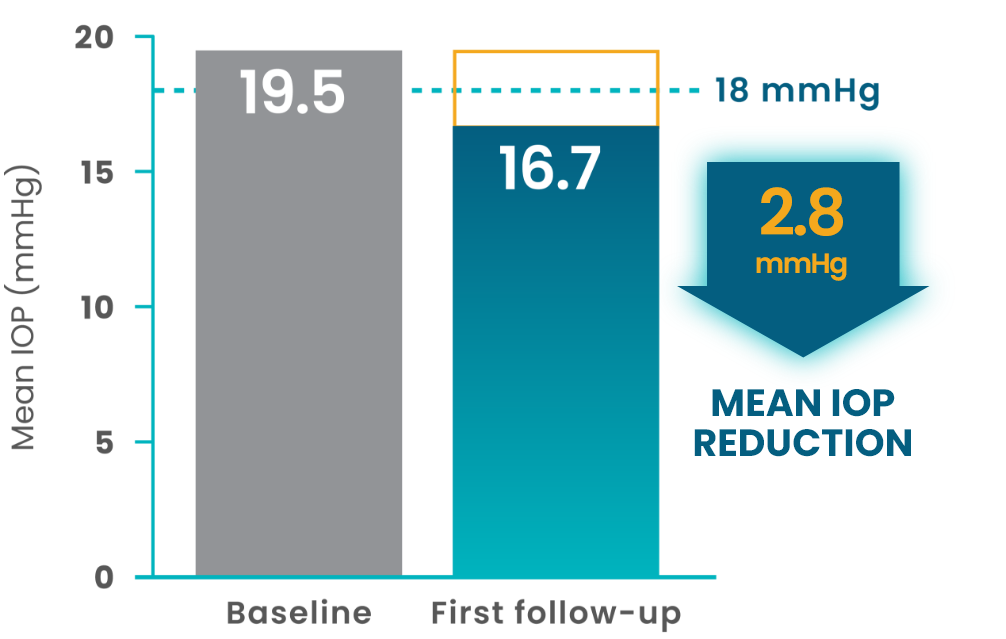
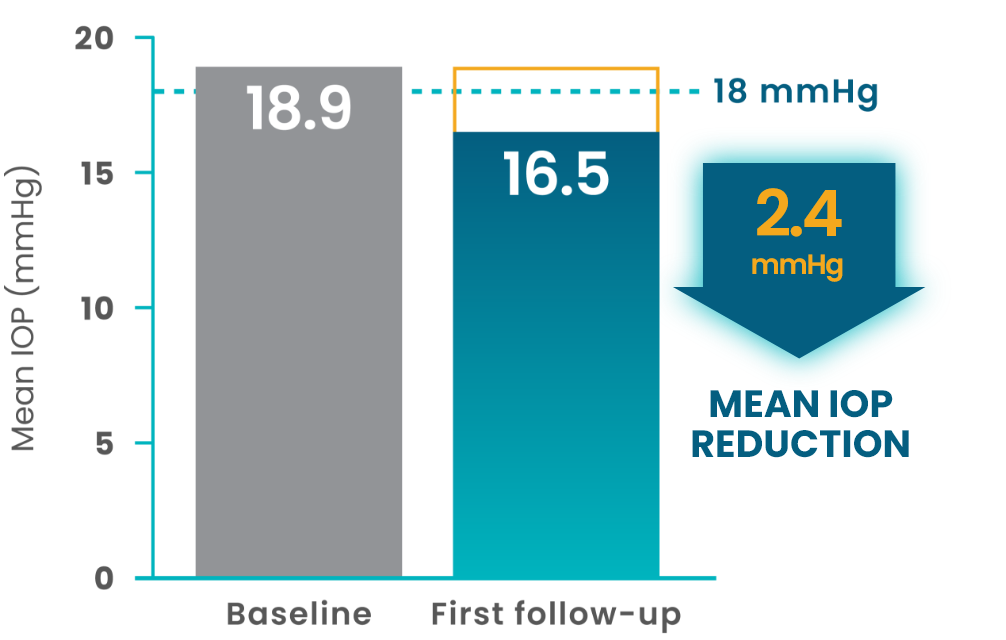
- In the Advanced Glaucoma Intervention Study (AGIS), reduction of IOP below 18 mmHg was associated with maintenance of visual field over long-term follow-up4
- While AGIS did not study VYZULTA specifically, it provides a helpful benchmark to understand the importance of IOP reduction in slowing disease progression
~39% of VYZULTA patients experienced an IOP reduction of ≥5 mmHg3
at second follow-up
IOP at baseline and the second follow-up (90 to 180 days) after switching to VYZULTA3
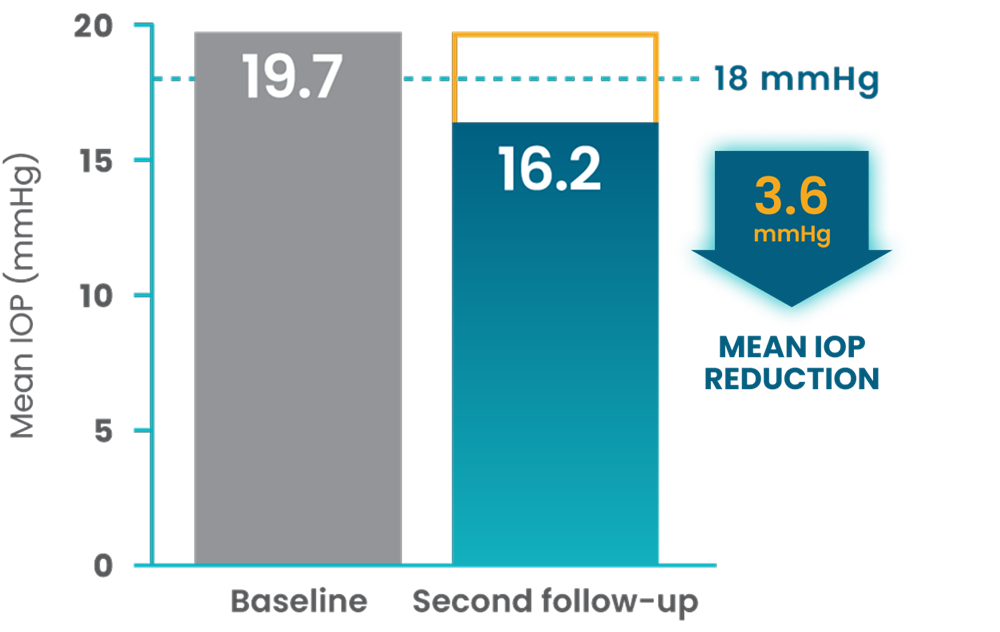
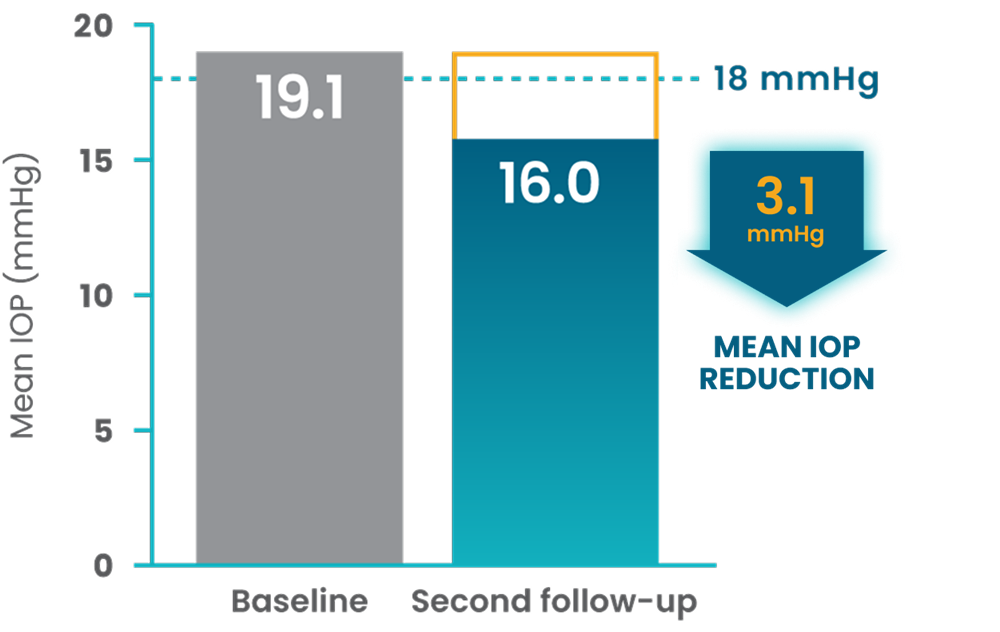
- Of the 833 patients that switched from other topical IOP-lowering therapies to VYZULTA, 137 patients had a second IOP measurement in the follow-up period between 90 to 180 days after their initial VYZULTA prescription3
- IOP reduction at the second follow-up confirms and extends the findings from the first follow-up
The results of these studies are based on real-world data and should be considered in the context of the limitations of this type of evidence. While these findings provide insights into the real-world performance of VYZULTA, they may not be directly comparable to results from the clinical trials.
Watch glaucoma specialists discuss real-world findings observed with VYZULTA in the IRIS Registry.
IOP=intraocular pressure; LEEP=Latanoprostene Bunod 0.024% Early Experience Program; OAG=open-angle glaucoma; OHT=ocular hypertension; SLT=selective laser trabeculoplasty; PGA=prostaglandin analog.
Sign up
Sign up to receive updates and learn more about VYZULTA.

INDICATION
VYZULTA® (latanoprostene bunod ophthalmic solution), 0.024% is indicated for the reduction of intraocular pressure (IOP) in patients with open-angle glaucoma or ocular hypertension.
IMPORTANT SAFETY INFORMATION
- Increased pigmentation of the iris and periorbital tissue (eyelid) can occur. Iris pigmentation is likely to be permanent
- Gradual changes to eyelashes, including increased length, increased thickness, and number of eyelashes, may occur. These changes are usually reversible upon treatment discontinuation
- Use with caution in patients with a history of intraocular inflammation (iritis/uveitis). VYZULTA should generally not be used in patients with active intraocular inflammation
- Macular edema, including cystoid macular edema, has been reported during treatment with prostaglandin analogs. Use with caution in aphakic patients, in pseudophakic patients with a torn posterior lens capsule, or in patients with known risk factors for macular edema
- There have been reports of bacterial keratitis associated with the use of multiple-dose containers of topical ophthalmic products that were inadvertently contaminated by patients
- Contact lenses should be removed prior to the administration of VYZULTA and may be reinserted 15 minutes after administration
- Most common ocular adverse reactions with incidence ≥2% are conjunctival hyperemia (6%), eye irritation (4%), eye pain (3%), and instillation site pain (2%)
You are encouraged to report negative side effects of prescription drugs to the FDA. Visit www.fda.gov/medwatch or call 1-800-FDA-1088.
Please click here to see full Prescribing Information.
References: 1. VYZULTA. Prescribing Information. Bausch & Lomb Inc. 2. Yan D, Hutnik CML, Harasymowycz P. Latanoprostene Bunod 0.024% Early Experience Program (LEEP): a Canadian initiative for open-angle glaucoma and ocular hypertension. Ophthalmol Ther. 2025;14(6):1311-1323. 3. Nair AA, et al. Poster presented at: Association for Research in Vision and Ophthalmology (ARVO) Annual Meeting; May 4-8, 2025; Salt Lake City, UT. Am J Ophthalmol. 2020;10:429-440. 4. The AGIS Investigators. The Advanced Glaucoma Intervention Study (AGIS): 7. The relationship between the control of intraocular pressure and visual field deterioration. Am J Ophthalmol. 2020;10:429-440.

INDICATION
VYZULTA® (latanoprostene bunod ophthalmic solution), 0.024% is indicated for the reduction of intraocular pressure (IOP) in patients with open-angle glaucoma or ocular hypertension.
IMPORTANT SAFETY INFORMATION
- Increased pigmentation of the iris and periorbital tissue (eyelid) can occur. Iris pigmentation is likely to be permanent